
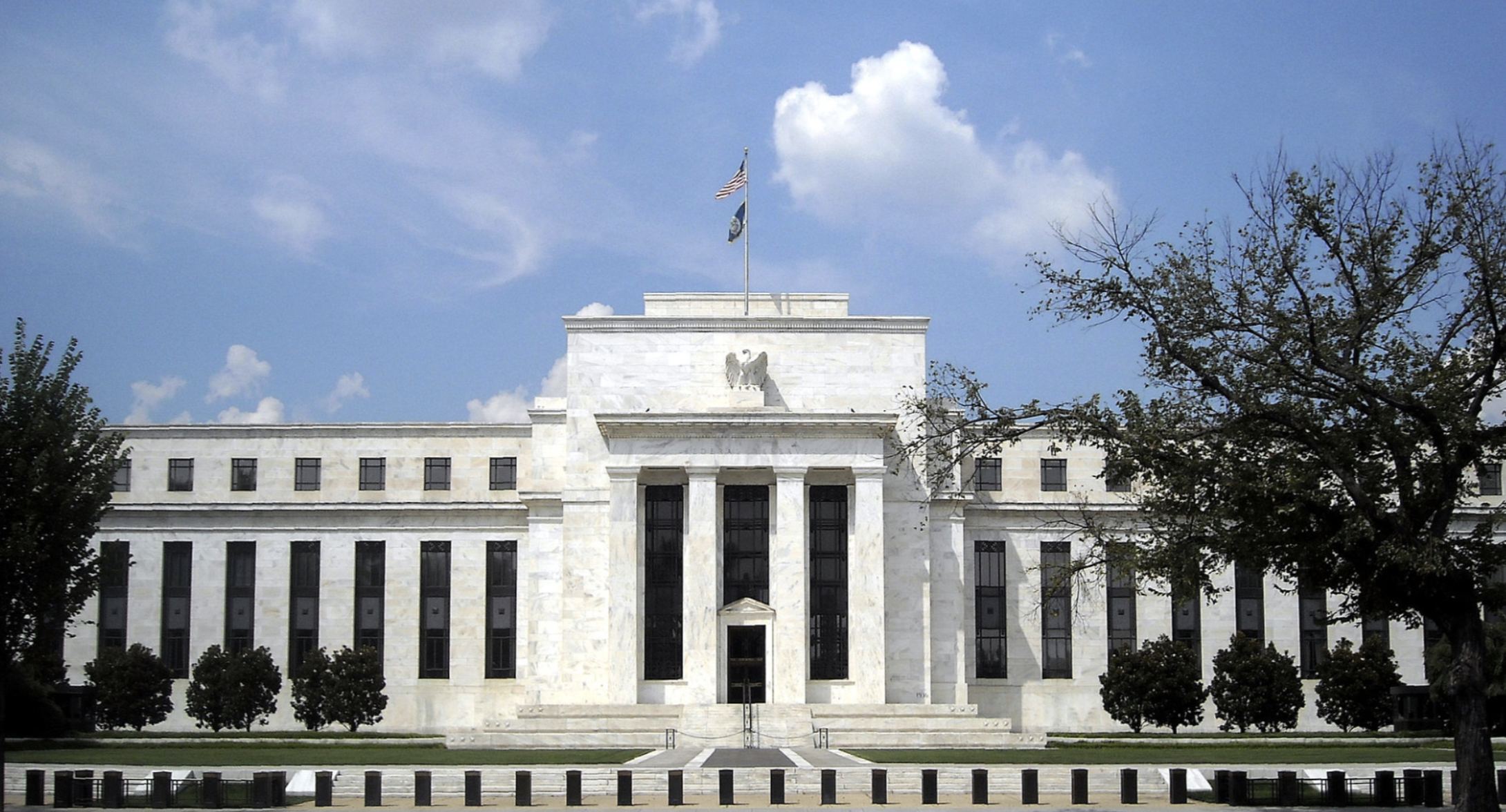
Federal Reserve Announces Digital Currency
This week brought the announcement that the Federal Reserve will study the possibility of issuing a digital currency. If the government builds it correctly, the result could be the greatest advancement in human civilization since the invention of the wheel. If the government builds it incorrectly, they may just validate every other crypto more than their own. Neither outcome is trivial.
We are engineers — the type that makes airplanes that plane, bridges that bridge, and elevators that elevate. The type of engineers that supply electricity to people and their Bitcoin – which was likewise created by engineers on an interface platform that was (you guessed it!) created by engineers. No offense to bankers, lawyers, and politicians, but they can’t do what engineers can do for an economy. So let’s leave them out of this discussion for now, and work with what’s obvious to engineers.
Yes absolutely, a Central Bank Digital Currency (CBDG) is a great idea
But like anything in engineering, the devil is in the details. First, the dollar is already digital so any improvement would need to be less centralized and that means blockchain. We also know that the proof-of-work consensus algorithm is too energy intensive so it must be proof-of-stake, or equivalent.
No intrinsic value equals no value, period. The CBDG must represent something real and useful, otherwise nobody will produce stuff in exchange for it. The Federal Reserve needs to figure out what tangible metric will bring the digital currency into existence. For example, the dollar represents aggregate US human productivity.
Aggregate Technological Change (ATC)
The new CBDC should not be issued as a function of Gross Domestic Product (GDP). The dollar already does this. Rather, the new CBDC should be issued against a new metric called Aggregate Technological Change (ATC). Technological change is a fancy word for “innovation” resulting in an increase of human productivity. This is the domain of Engineers and Scientists.
With this arrangement, the dollar and the CBDC would be fully convertible because they both represent the same asset class i.e., human productivity. The two currencies would be supplemental and complementary to each other. They would check and balance the other. At some point they will become the intrinsic basis for the other. A condition can then emerge where it becomes more profitable for Digital Capitalists to preserve the underlying asset rather than consume it. Ultimately, that underlying asset is the continued productivity and preservation of Planet Earth and her inhabitants.
The missing piece:
We need to come up with a reliable system to identify and measure the fact of innovation before it happens. The Ingenesist Project is developing a novel business method and platform combining game theory, actuarial math and blockchain technology to convert intangible assets into tangible assets. The issuance of each unit of CBDC can then represent the intrinsic value of this new asset class.
We are not bankers and we are not saying that this is final answer. However, we are certainly early pioneers in the topic of a supplemental US digital currency long before the Federal Bank Announcement. Our work in this area has been published (juried) by the NSPE, ASCE, ASME, NAIC/CIPR, NSF, and many others.
A few key points:
- If built correctly, a CBDC is a great idea
- If not, the CBDC may be no better or worse than a digital dollar.
- No intrinsic value means no value. Period.
- Money must represent human productivity. Otherwise, no one will produce stuff in exchange for it.
- The underlying asset is Earth and her inhabitants – and must be preserved, not consumed.
Conclusion
So there you have it — an engineer’s interpretation of the new Central Bank Digital Currency.
The next time you’re sitting on an aircraft separated from instant death by .040 inches of aluminum skin, please feel free to disagree with your engineers and scientists. Now that I think of it, what is a perfect analogy for the state of the world!
